
The page reveals a portfolio, not one hit
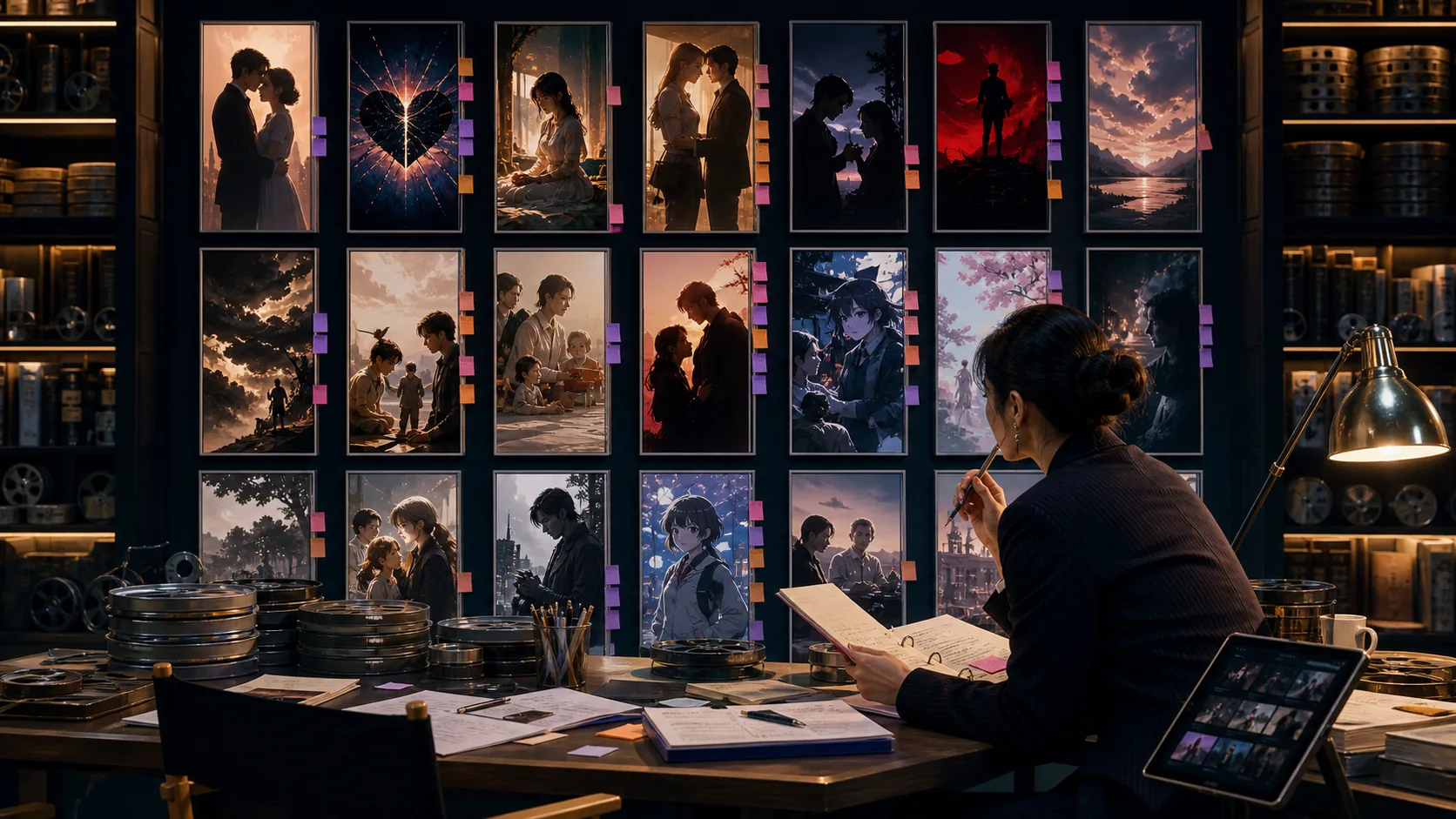
In the latest public crawl, GoodShort places animated entries such as I Have to Romance the Monsters and Apocalypse Romance System: Season 2 beside live-action titles such as Tales of the Tycoon and the Pet Shopkeeper, with genre tags and a New Arrivals module.
This establishes only what the platform publicly displayed at that moment—not viewing, revenue or global popularity. The catalog implication is still visible: animation no longer needs a separate product and can share discovery with familiar romance, comeback and family programming.
Animation makes high-concept systems easier to serialize
Systems, monsters, apocalypse worlds and superpowers demand dense worldbuilding. Live action often trades visual cost against repeated locations. Animation and motion-comic production can reuse characters, environments and effects, making these genres easier to test across longer seasons.
Asset reuse does not make the storytelling cheap. Character continuity, dialogue performance, shot rhythm and sound design still determine whether viewers experience a series rather than an automated slideshow.
How title editors should track the shift
Weekly snapshots should retain platform ordering, genre tags, episode count, language, official cover and any visible viewing metric, with animation, live action and motion comics separated. Only repeated snapshots can show whether category expansion persists.
Editorial recommendation should then review premise efficiency in episode one, cross-episode character continuity, payoff before the paywall and whether a full season is actually available. A recommendation must not masquerade as platform popularity.