
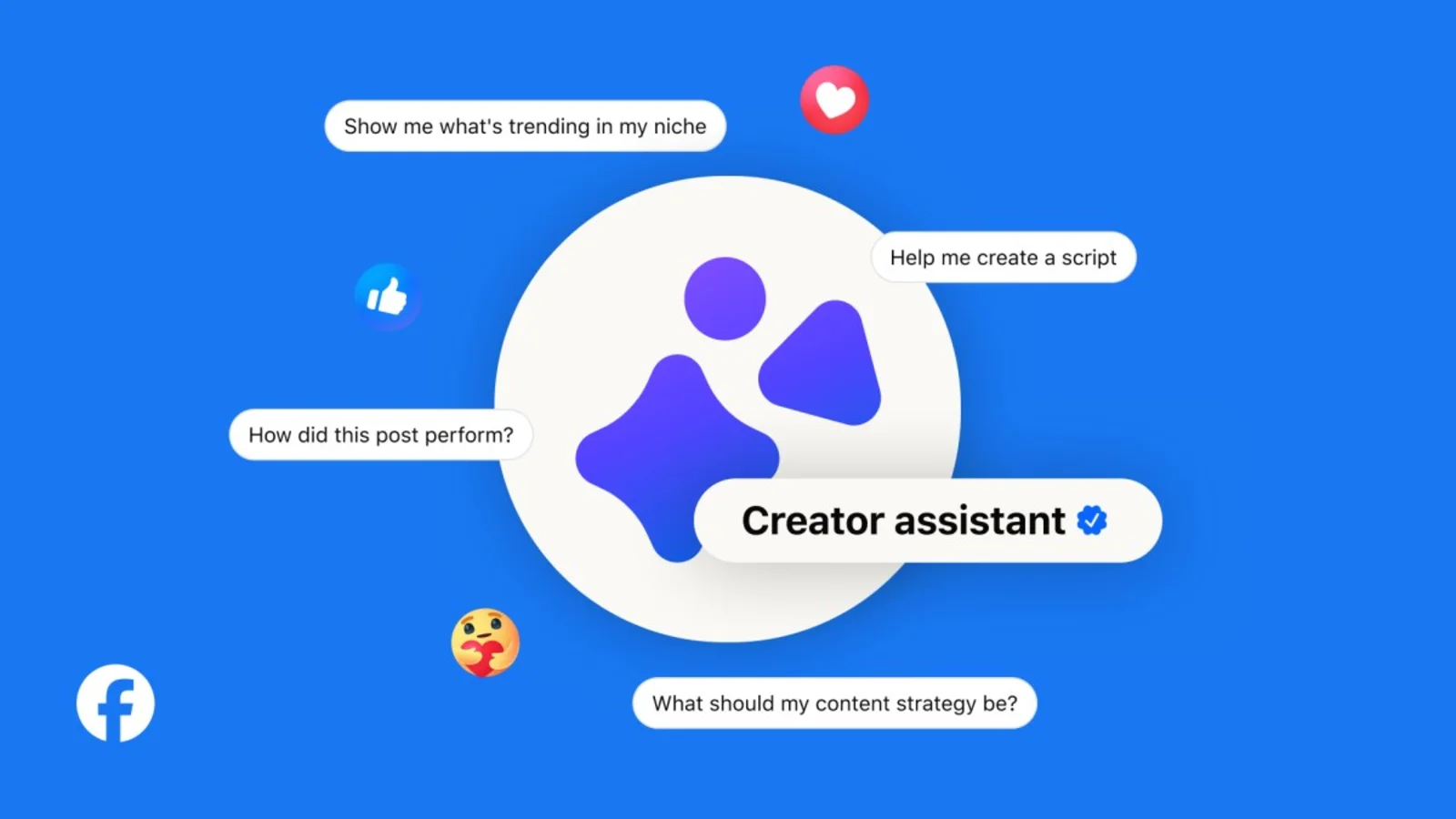
Meta's June Creator Assistant rollout reaches some professional-mode and Page creators in the United States, Canada and India. It goes beyond product help to explain performance, suggest topics and scripts, and adapt recommendations to a creator's goals and history.
The platform is becoming an operating-advice system as well as a distribution system. Small teams gain preliminary diagnosis once requiring an analyst; the risk is that one platform defines success, allocates reach and interprets the result. AniVerse recommends retaining raw metrics, time windows and control posts so assistant correlations do not become assumed causes.
Nine languages do not equal nine markets
Meta says Facebook AI translation now covers nine languages and that more than 500 million users watch at least one AI-translated video each week. Language coverage widens accessibility; it does not replace territory distribution. Genre preference, spending power, regulation, comment culture and account eligibility still vary by market.
A short drama needs translation as a master branch, retaining captions, dubbing, lip sync, title, artwork and cultural adaptation. Test a small set of validated titles for completion, return, comments and negative feedback before expanding spend or catalog. A supported language does not make every territory using it one audience.
Original work gains weight while assembly-line reposting loses room
Meta says Facebook surfaces more same-day Reels, original content has increased within U.S. Instagram recommendations, and content made with Edits now contributes a share of viewing. These are company-reported measures and do not prove a particular tool creates growth.
The safer conclusion is that the platform is improving supply speed, originality recognition and cross-language consumption together. Short-drama teams need recognizable assets built from character, story and localization—not only more format variants. Tools can multiply versions; audiences still need people and stories to remember.
Platform-native translation lowers the first-step cost; distribution capability still comes from territory-specific data, versions and editorial judgment.